Picking the right auto bearing for your car might not seem like a big deal at first, but trust me, it’s pretty important if you want your vehicle to run smoothly and last longer. I had a chat with John Thompson, a senior engineer at Bearing Solutions, and he put it this way: “Choosing the right auto bearing isn’t just about making sure it fits; it’s about really understanding what your vehicle needs based on how you drive.” With so many options out there, it’s easy to feel overwhelmed trying to figure out which one is best for your car.
Auto bearings might not be something you think about every day, but they’re actually super important. They help wheels rotate smoothly and cut down on friction everywhere—think about parts like the wheels and transmission. If you pick the right one, you'll see benefits like better fuel economy, easier handling, and less wear on other parts. As John pointed out, “Using the correct auto bearing isn’t just about performance; it’s also about keeping your vehicle safe.” So yeah, making an informed choice really pays off if you want to keep your car in good shape.
In this article, I’ll go through some of the main things to keep in mind when choosing auto bearings—like load ratings, what they’re made of, and whether they match up with your vehicle’s specs. Understanding these details will help you pick the right bearings, so your car runs smoothly and stays reliable for the long haul.

Understanding Auto Bearings: Types and Functions
Auto bearings are essential components in a vehicle's performance and efficiency. They serve the crucial function of reducing friction between moving parts, allowing for smooth rotation and overall functionality of the vehicle's systems.
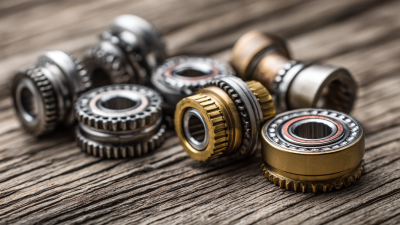
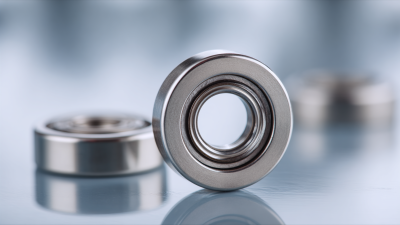
There are several types of auto bearings, including ball bearings, roller bearings, and thrust bearings. Each type has unique characteristics that make it suitable for specific applications in different vehicle components, such as the wheel hubs, transmissions, and engine assemblies.
Understanding the specific functions of these bearings can help vehicle owners make informed decisions during maintenance. Ball bearings, for example, are popular for their ability to handle radial and axial loads, making them ideal for wheel assemblies. Roller bearings, on the other hand, are designed to support heavier loads and are commonly used in applications where durability is crucial. Thrust bearings facilitate smooth movement in axial directions and are essential in applications like clutch assemblies. Identifying the right type of bearing based on its function and the vehicle's requirements is critical for ensuring optimal performance and longevity.
Factors to Consider When Choosing Auto Bearings
When selecting the appropriate auto bearing for your vehicle, several critical factors must be considered to ensure optimal performance and longevity. First, understanding the specific type of bearing required for your vehicle is essential. Different applications, such as wheel bearings, engine mounts, and transmission components, utilize various bearing types, each designed to handle distinct loads and rotational speeds. According to a report by the Global Industry Analysts, the automotive bearing market is projected to expand at a compound annual growth rate (CAGR) of 4.5% from 2021 to 2027, highlighting the increasing emphasis on specialized components that cater to specific vehicle needs.
Another important consideration is the material of the bearing. Auto bearings can be made from stainless steel, chrome steel, or ceramic, among other materials. Each material offers various benefits in terms of durability, weight, and resistance to corrosion and wear. For instance, research from the National Institute of Standards and Technology indicates that ceramic bearings exhibit significantly lower friction and higher load capacity than traditional steel bearings, making them an attractive option for high-performance vehicles. Additionally, factors such as bearing clearance, temperature tolerance, and lubrication requirements should not be overlooked, as these elements can profoundly influence the overall effectiveness and efficiency of the bearing performance in real-world driving conditions.
How to Identify the Right Size for Your Vehicle's Bearings
Choosing the right size for your vehicle's bearings is crucial for ensuring optimal performance and longevity of your auto parts. To identify the correct size, start by consulting your vehicle's service manual, which typically contains detailed specifications about bearing dimensions. If the manual is unavailable, you can measure the existing bearings directly. Use calipers to determine the inner and outer diameters as well as the width of the bearing. This precise measurement will help you find an exact match when sourcing replacements.
Tips: When measuring bearings, ensure that your calipers are calibrated correctly for accurate results. It's recommended to take multiple measurements at different points to account for any wear or deformation in the bearings. If you have difficulty obtaining a proper size or if the bearings appear damaged, consider consulting a professional mechanic who can provide expert advice and assistance.
Inspecting the vehicle for any abnormal noises or performance issues can also guide you in identifying the right size bearings. Understanding the precision required in bearing installation will save you time and resources in the long run. Remember, using the wrong size can lead to premature failure and increased wear on other components, so taking the time to measure accurately is essential for effective vehicle maintenance.
Material Options for Auto Bearings: Pros and Cons
When selecting auto bearings, understanding the material options available is crucial, as each type offers distinct advantages and drawbacks. Steel bearings are among the most commonly used due to their high strength and durability. They are well-suited for a variety of automotive applications, offering excellent load-bearing capacity and resistance to wear. However, steel can be susceptible to corrosion if not properly maintained, which may lead to premature failure in harsh environments.
On the other hand, ceramic bearings are gaining popularity for their lightweight nature and ability to withstand high temperatures. They offer lower friction and enhanced performance, which can result in improved fuel efficiency. Nevertheless, the primary drawback of ceramic materials is their fragility; they can be prone to cracking under extreme impact loads. Additionally, the cost of ceramic bearings is generally higher, making them a less accessible option for many vehicle owners. By carefully evaluating the pros and cons of each material, vehicle owners can make informed decisions that align with their maintenance needs and driving conditions.
How to Choose the Right Auto Bearing for Your Vehicle Maintenance Needs - Material Options for Auto Bearings: Pros and Cons
| Material Type |
Pros |
Cons |
Common Applications |
| Steel |
Strong, durable, widely available |
Can corrode if not properly treated |
Engine components, wheel hubs |
| Ceramic |
Lightweight, corrosion resistant |
More brittle, higher cost |
High-performance and racing applications |
| Bronze |
Good wear resistance, self-lubricating |
Lower strength than steel |
Bushings, marine applications |
| Plastic |
Lightweight, resistant to chemicals |
Lower load capacity, can deform under stress |
Small motors, low-load applications |
| Composite |
Excellent strength-to-weight ratio |
Higher manufacturing costs |
Advanced automotive components |
Common Symptoms of Worn or Damaged Bearings
When it comes to vehicle maintenance, recognizing the common symptoms of worn or damaged bearings is essential for ensuring your vehicle's longevity and performance. One of the first signs to watch for is unusual noises, such as grinding or humming sounds emanating from the wheels. These noises often indicate that the bearings are beginning to fail. If you also experience vibrations while driving or notice that your vehicle pulls to one side, these could be significant indicators of bearing issues that need immediate attention.
Another symptom to consider is uneven tire wear. Worn bearings can cause the wheel alignment to shift, leading to premature tire degradation. In some cases, you might even observe visible signs of damage, such as rust or pitting on the bearing surface. Addressing these issues promptly can save you from more costly repairs in the long run.
Tips: Regularly inspect your vehicle for any strange sounds or vibrations. Additionally, make it a habit to check your tire condition and alignment regularly. If you notice any of these symptoms, consult with a professional mechanic to determine the best course of action for your vehicle maintenance needs.
Maintenance Tips for Prolonging Bearing Lifespan
When it comes to ensuring the longevity of auto bearings, implementing effective maintenance practices is crucial. Regular inspections should be a standard part of your vehicle maintenance routine. Pay close attention to signs of wear or damage, such as unusual noises, vibrations, or heat. It's important to address these issues immediately, as neglecting them can lead to premature failure and more extensive repairs. Checking the bearing lubrication on a consistent basis helps in reducing friction and heat, both of which can drastically shorten the bearing life.
Additionally, maintaining proper alignment and installation during replacement is vital. Misalignment can cause uneven wear, ultimately leading to early bearing fatigue. Furthermore, using the right type of lubricant, as specified in your vehicle’s manual, ensures the efficient functioning of the bearing. Regularly scheduled maintenance and ensuring that seals are intact to prevent dirt and moisture ingress can also help in prolonging the lifespan of bearings. By adhering to these maintenance tips, you can significantly enhance the durability and performance of your vehicle’s bearings, thereby safeguarding your overall vehicle health.
Where to Purchase Quality Auto Bearings for Your Vehicle
When it comes to maintaining your vehicle, choosing the right auto bearings is crucial for optimal performance and longevity. However, knowing where to purchase quality auto bearings can significantly affect your maintenance outcomes. Industry reports indicate that over 70% of vehicle breakdowns are attributed to faulty or worn-out bearings, making it imperative to source parts from reputable suppliers. Many auto parts distributors now offer online platforms with detailed specifications, making it easier for consumers to find the correct bearings compatible with their vehicle models.
Tips: Always check for certifications and quality assurances when purchasing auto bearings. Look for distributors that provide comprehensive product details, including material composition and load ratings. This information is essential for determining bearing durability and ensuring they can withstand your vehicle's operational demands.
In addition to online retailers, local automotive specialty shops often stock high-quality bearings and can provide personalized recommendations based on your specific vehicle needs. Reports suggest that buying locally not only supports the economy but also allows for immediate assistance and potentially quicker replacements, reducing overall vehicle downtime. Engage with knowledgeable staff and inquire about industry standards to ensure you are making informed purchasing decisions.
Enhancing Automotive Performance: The Advantages of HCSZ Export Standard Angular Contact Ball Bearings
In the realm of automotive performance enhancement, the integration of high-speed precision angular contact ball bearings stands out as a pivotal development. These bearings are meticulously engineered for high-speed rotation applications that demand not only light load handling but also exceptional precision and minimal vibration. By maintaining a low temperature rise during operation, they significantly contribute to the overall efficiency and longevity of automotive systems.
Particularly in high-speed electric spindles, which are essential in applications like internal surface grinding machines, the pairing of angular contact ball bearings is critical. Their design facilitates superior load distribution and minimizes the friction that can detract from performance. The stringent performance parameters of these bearings enable them to ensure smooth and reliable operation, thus becoming a key accessory that automotive engineers rely on to boost performance metrics. As the industry continues to evolve, the advantages of adopting HCSZ export standard angular contact ball bearings are evident; they not only enhance the efficiency of high-speed machinery but also support advancements in automotive technology.
FAQS
: Auto bearings reduce friction between moving parts, allowing for smooth rotation and overall functionality of vehicle systems, which enhances performance and efficiency.
The main types of auto bearings include ball bearings, roller bearings, and thrust bearings, each suited for specific applications within various vehicle components.
You can identify the right size by consulting your vehicle's service manual for specifications or by measuring the existing bearings with calipers. Accurate measurements of the inner and outer diameters as well as the width are essential.
If you're having trouble identifying the correct size or if the bearings appear damaged, it's advisable to consult a professional mechanic for expert assistance.
Auto bearings are commonly made from steel or ceramic materials. Steel bearings offer high strength and durability, while ceramic bearings are lightweight and perform well at high temperatures, reducing friction.
Steel bearings can be prone to corrosion if not properly maintained, leading to premature failure, whereas ceramic bearings, despite their performance benefits, are fragile and can crack under extreme impact loads.
Utilizing the wrong size bearing can lead to premature failure and increased wear on other components, negatively impacting the vehicle's performance and longevity.
To ensure accurate measurement, use calibrated calipers, take multiple measurements at different points to account for wear, and inspect the vehicle for any abnormal noises or performance issues.
Understanding the pros and cons of different bearing materials helps vehicle owners make informed decisions that suit their maintenance needs and driving conditions, ensuring optimal performance.
Conclusion
Choosing the right auto bearing is crucial for effective vehicle maintenance. Auto bearings come in various types, each serving specific functions, and understanding these differences can significantly influence performance. Key factors to consider include the size, material options, and the symptoms of wear or damage, which may indicate a need for replacement.
Identifying the correct size ensures a proper fit, while material choices present various pros and cons related to durability and performance. Regular maintenance can greatly extend the lifespan of auto bearings, ensuring smooth operation. For those in need of quality auto bearings, it’s vital to seek reputable sources that offer reliable products tailored to your vehicle's requirements.